Exploring Digital Remote Air Traffic Control Towers
Updated: Feb 13
In an era where technology is reshaping industries, air traffic control is no exception. Digital remote air traffic control towers are revolutionizing how we manage airspace, enhancing safety, efficiency, and operational flexibility. This blog post delves into the concept of digital remote air traffic control towers, their benefits, challenges, and the future of air traffic management.
Understanding Digital Remote Air Traffic Control Towers
Digital remote air traffic control towers utilize advanced technology to manage air traffic from a distance. Unlike traditional towers, which require air traffic controllers to be physically present at the airport, these digital systems allow controllers to operate from a centralized location, often miles away from the airport itself.
How Do They Work?
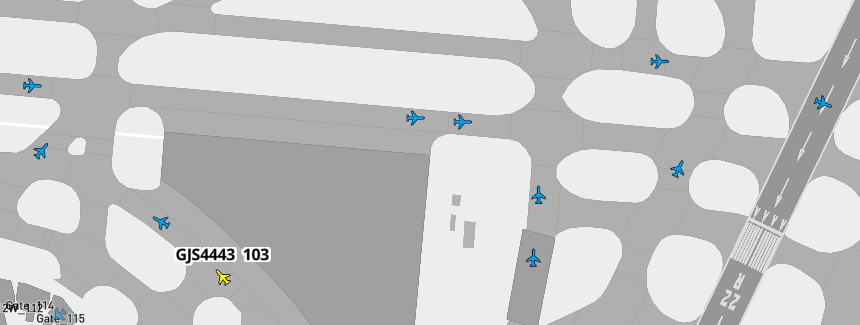
Digital remote towers employ a combination of high-definition cameras, sensors, and software to provide a comprehensive view of the airfield. Here’s a breakdown of the key components:
High-Definition Cameras: These cameras provide real-time video feeds of the airport environment, allowing controllers to monitor takeoffs, landings, and ground movements.
Sensors: Various sensors collect data on weather conditions, aircraft movements, and other critical information.
Software: Advanced software integrates the video feeds and sensor data, providing controllers with a unified interface to manage air traffic effectively.
Benefits of Digital Remote Towers
The transition to digital remote air traffic control towers offers several advantages:
Cost Efficiency: Operating a remote tower can significantly reduce costs associated with staffing and maintaining traditional control towers.
Increased Safety: Enhanced visibility and data integration improve situational awareness for air traffic controllers, leading to safer operations.
Operational Flexibility: Remote towers can be deployed in various locations, making it easier to manage air traffic at smaller airports or during peak times.
Scalability: As air traffic increases, remote towers can be scaled up more easily than traditional towers.
Case Studies: Successful Implementations
Several airports around the world have successfully implemented digital remote air traffic control towers, providing valuable insights into their effectiveness.
Sweden's Sundsvall Airport
Sundsvall Airport in Sweden was one of the first to adopt a digital remote tower system. The project demonstrated that remote operations could maintain safety standards while reducing costs. The system has proven effective in managing air traffic, even during adverse weather conditions.
Norway's Ørland Airport
Ørland Airport has also embraced digital remote towers, allowing air traffic controllers to manage operations from a central location. This implementation has led to improved efficiency and has set a precedent for other airports in Norway and beyond.
Challenges and Considerations
While the benefits of digital remote air traffic control towers are compelling, there are challenges to consider:
Technological Reliability: Dependence on technology means that any failure in the system could disrupt operations. Ensuring robust backup systems is crucial.
Training and Adaptation: Air traffic controllers must adapt to new technologies and workflows, requiring comprehensive training programs.
Regulatory Approval: Gaining regulatory approval for remote operations can be a lengthy process, as safety standards must be met.
The Future of Air Traffic Control
As technology continues to evolve, the future of air traffic control looks promising. Digital remote towers are likely to become more prevalent, especially as the demand for air travel increases. Here are some trends to watch:
Integration with Unmanned Aerial Vehicles (UAVs)
The rise of drones and UAVs presents new challenges and opportunities for air traffic management. Digital remote towers can play a crucial role in integrating these vehicles into the airspace, ensuring safe operations alongside traditional aircraft.
Enhanced Data Analytics
The use of big data and analytics will enhance decision-making processes in air traffic control. By analyzing historical data, controllers can predict traffic patterns and make informed decisions to optimize airspace usage.
Global Standardization
As more airports adopt digital remote towers, there will be a push for global standards to ensure interoperability and safety across different regions. This standardization will facilitate smoother operations and enhance collaboration among air traffic management authorities worldwide.
Conclusion
Digital remote air traffic control towers represent a significant advancement in air traffic management. By leveraging technology, these systems enhance safety, reduce costs, and provide operational flexibility. As more airports adopt this innovative approach, the future of air traffic control will undoubtedly be shaped by these advancements.
For those interested in the aviation industry, staying informed about these developments is essential. Whether you are a professional in the field or simply an aviation enthusiast, understanding the implications of digital remote towers will provide valuable insights into the future of air travel.

Comments